
4695 CYLINDRICAL CELLS | AUTOMATED TESTING & PALLETIZING
Cylindrical Battery Sorting Machine — Automated Testing Before Pack Assembly
-
OCV & ACIR Testing: Voltage Checks · Resistance Screening
-
Automatic NG Sorting: Out-of-Spec Detection · Reject Separation
-
Robotic Palletizing: Automated Cell Placement · Less Manual Handling
-
Cell-Level Traceability: 2D Code Scanning · Position Tracking
How the Cylindrical Battery Sorting Machine Works in 3 Steps
01
Cell Loading & Identification
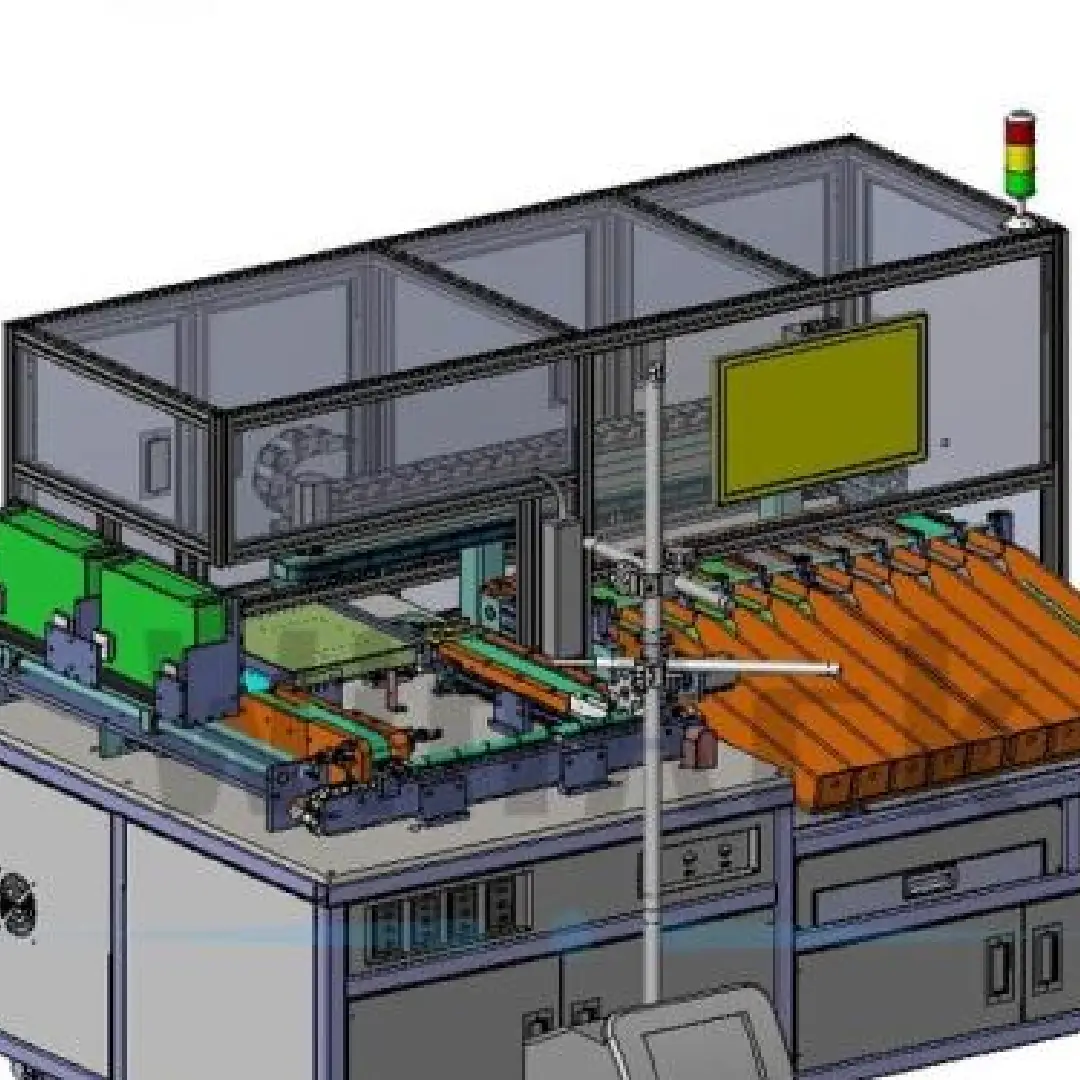
Load 4695 cells from 8×8 battery boxes. The system scans each cell’s 2D code for identification.
02
OCV/ACIR Testing & Sorting
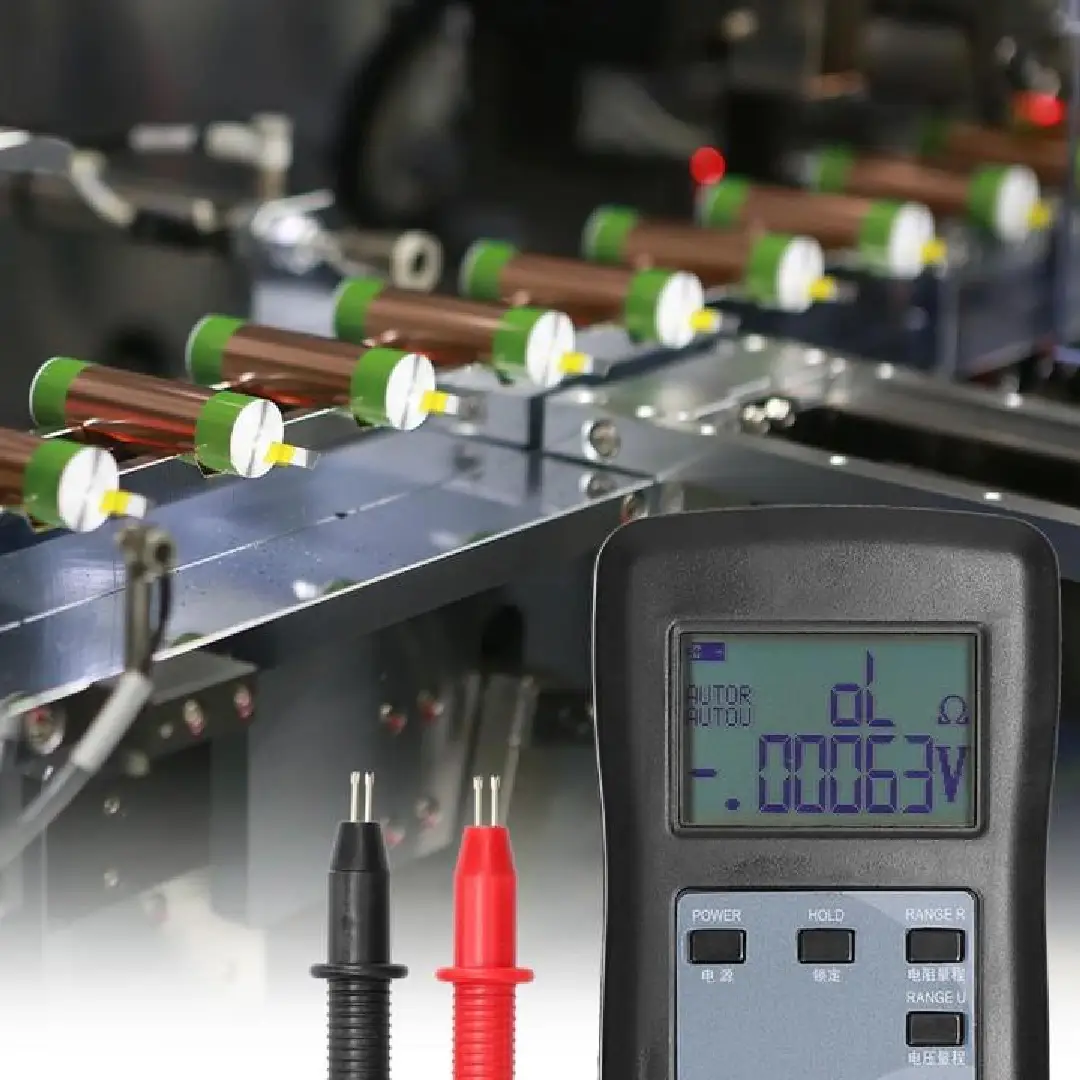
Measure voltage and internal resistance against preset limits, then automatically separate NG cells.
03
Robotic Cell Palletizing
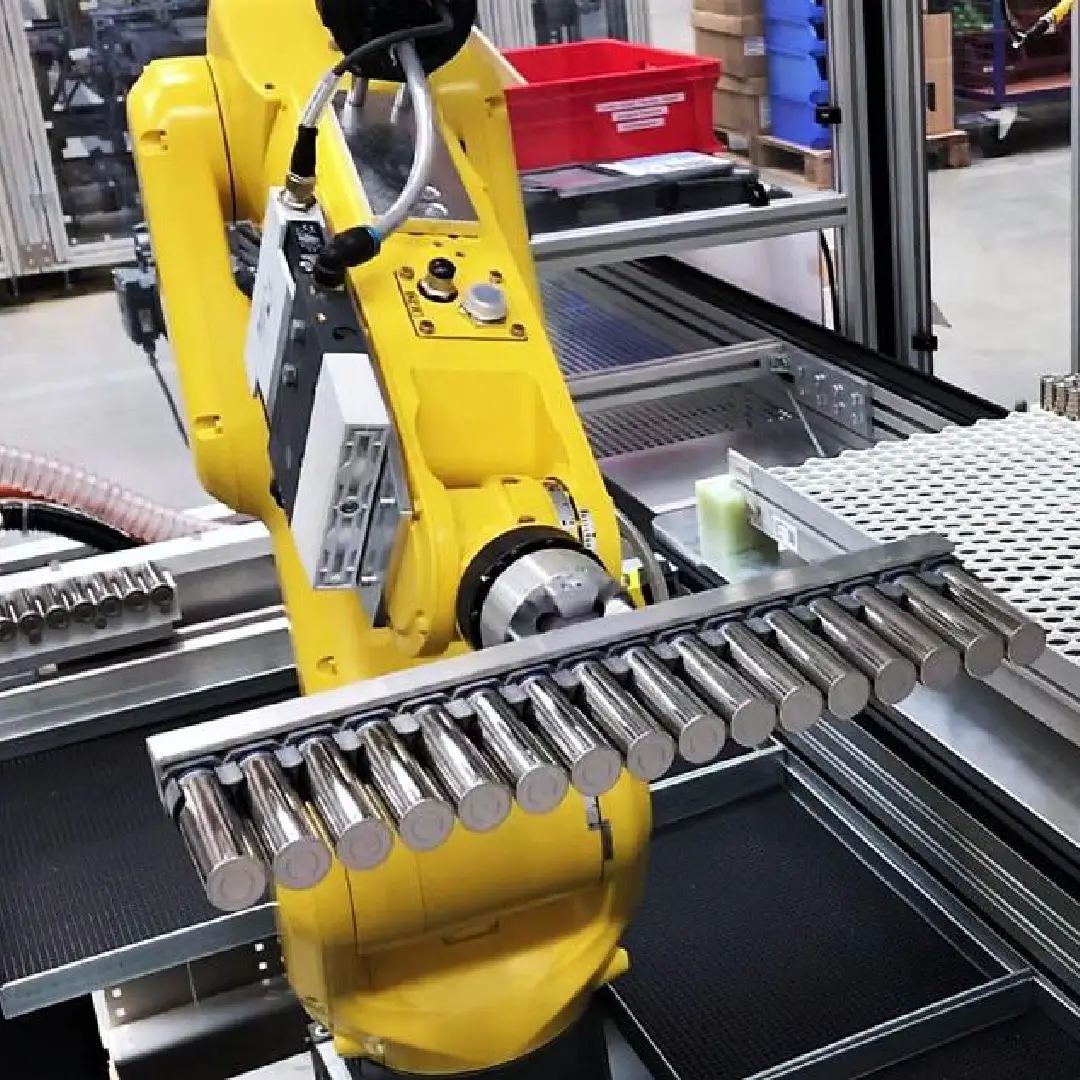
Qualified cells are automatically placed into designated pallet positions for downstream battery assembly.
What Can the Cylindrical Battery Sorting Machine Automate?
OCV & ACIR Testing
4695 Battery Cell Testing & Sorting Results
See how the Cylindrical Battery Sorting Machine identifies individual cells, records OCV/ACIR results, separates NG cells, and automatically loads accepted cells into trays for the next stage of battery pack assembly.
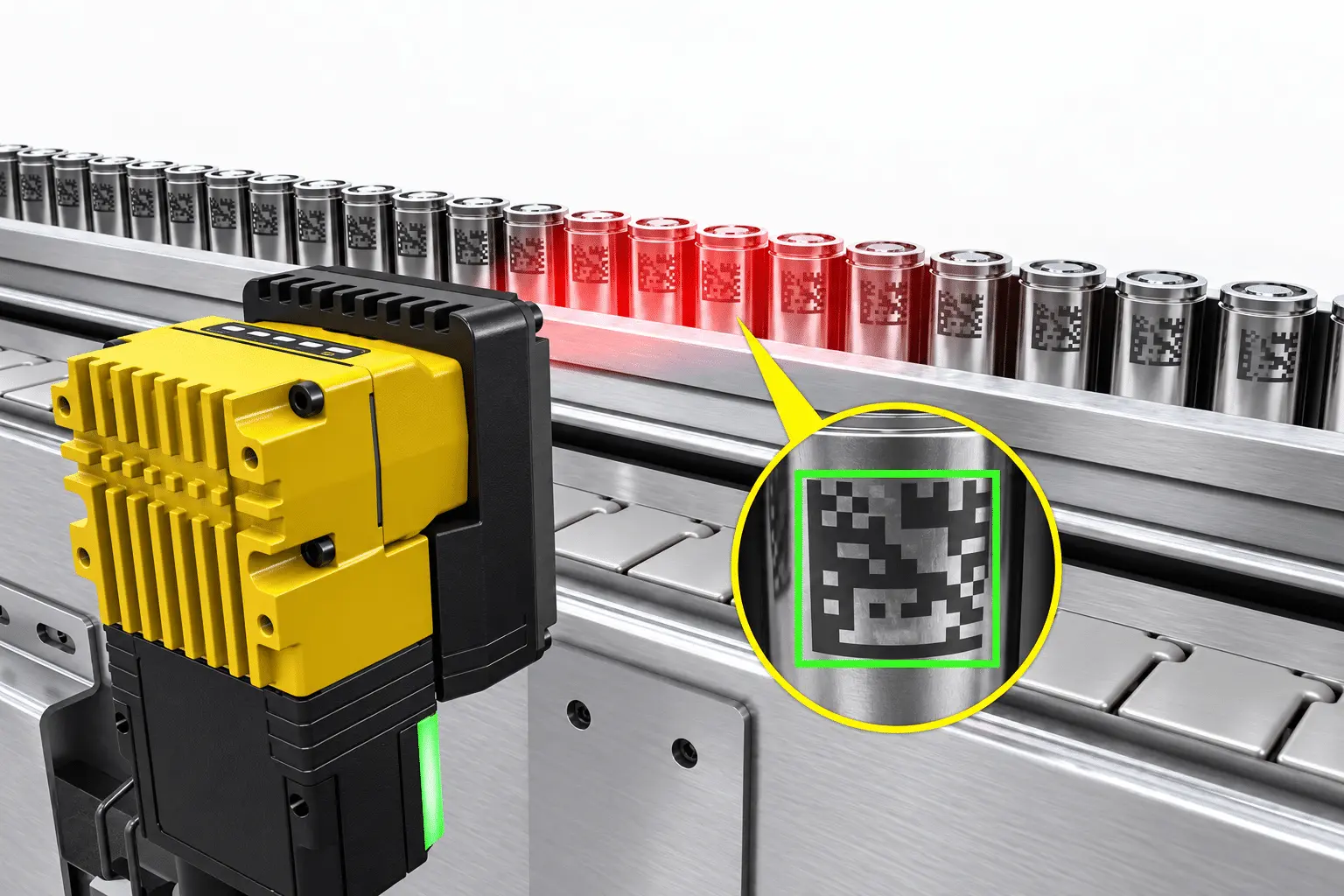
SAMPLE 01
Cell Identification & Tracking
2D CODE SCANNING · CELL ID · DATA RECORDING
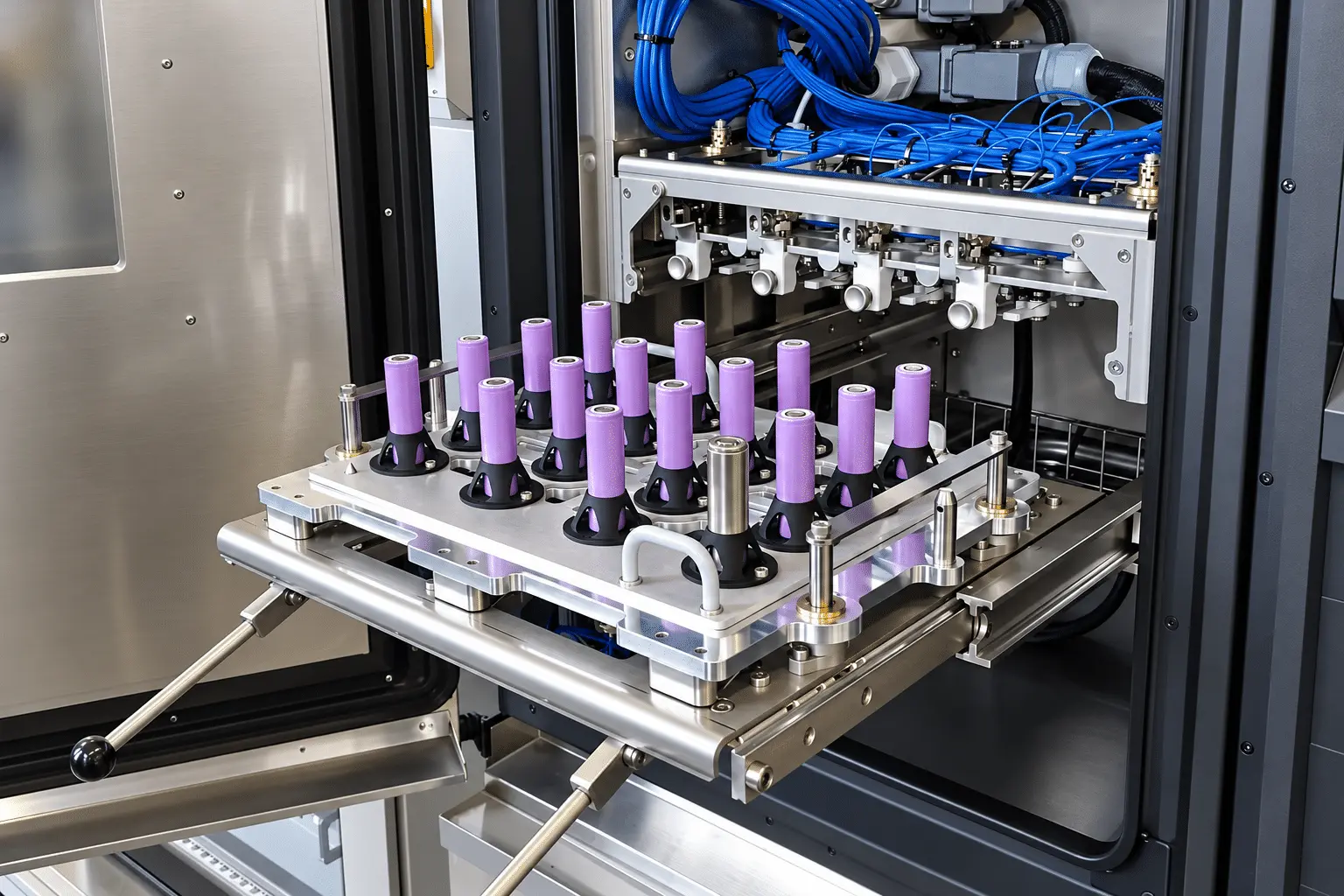
SAMPLE 02
OCV & ACIR Test Results
VOLTAGE TESTING · INTERNAL RESISTANCE · TEST DATA
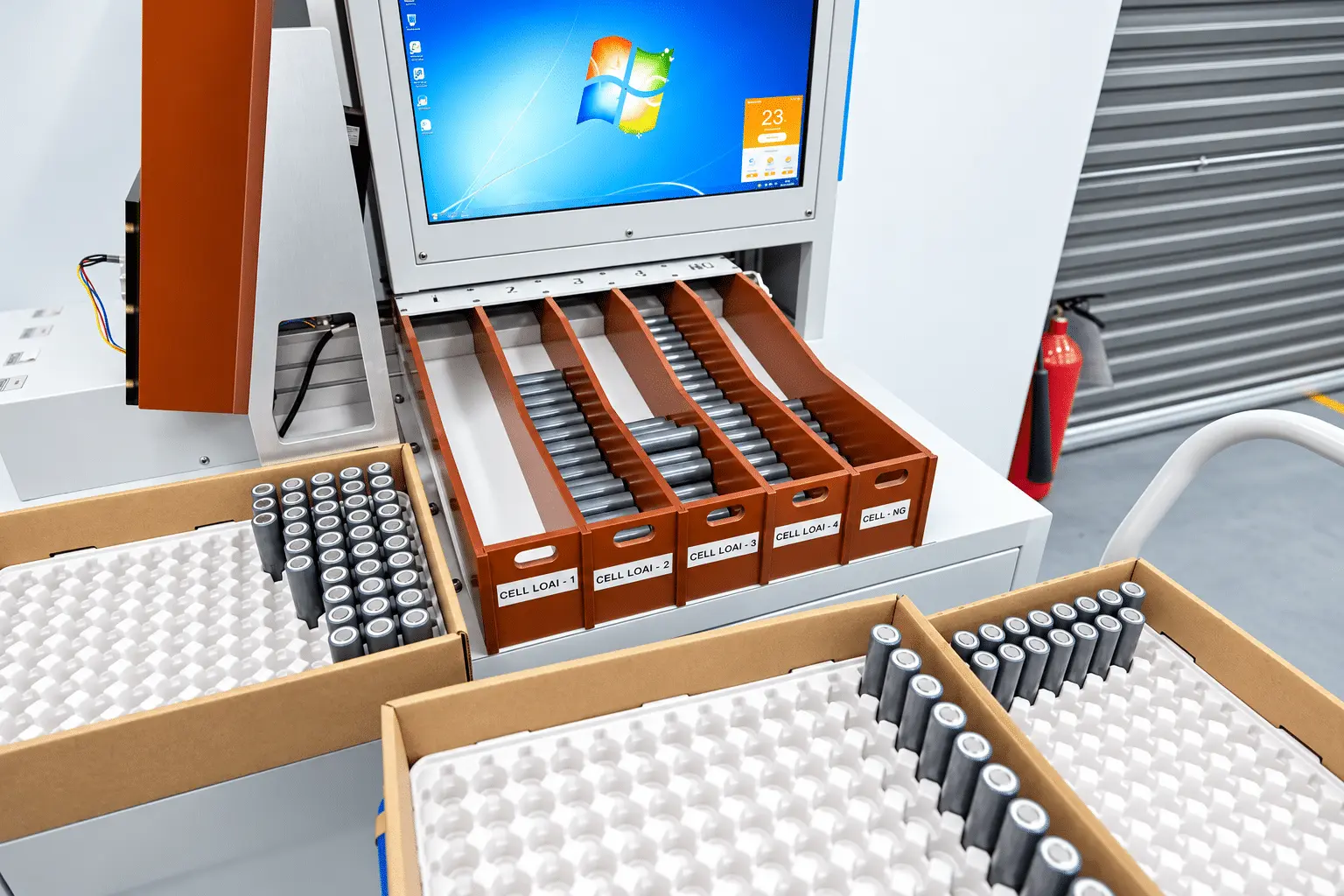
SAMPLE 03
Automatic NG Cell Rejection
NG DETECTION · AUTOMATIC REJECTION · CELL SEPARATION
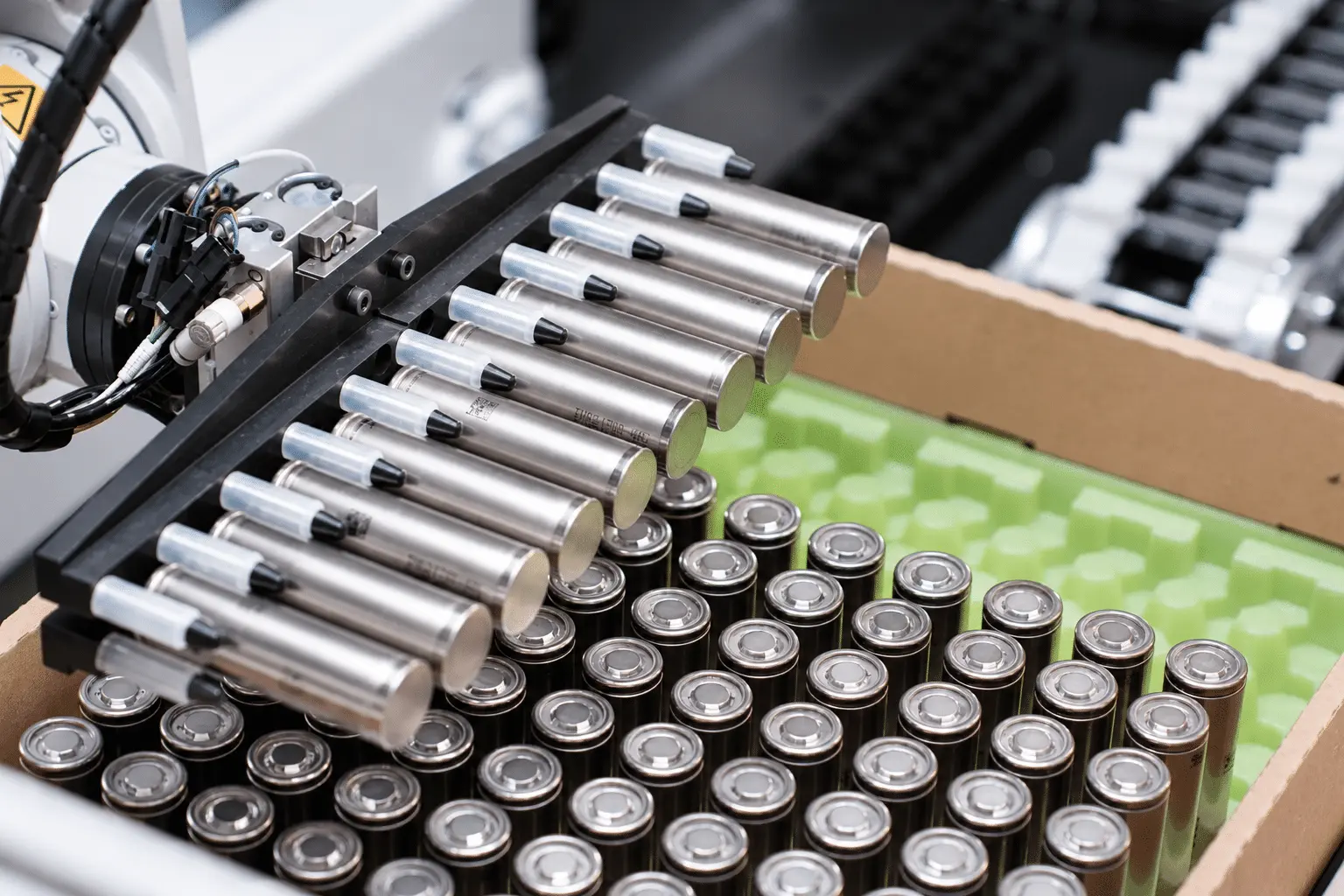
SAMPLE 04
Robotic Cell Palletizing
ROBOTIC PICKING · TRAY LOADING · POSITION TRACKING
Where This QCW Mold Laser Welder Fits
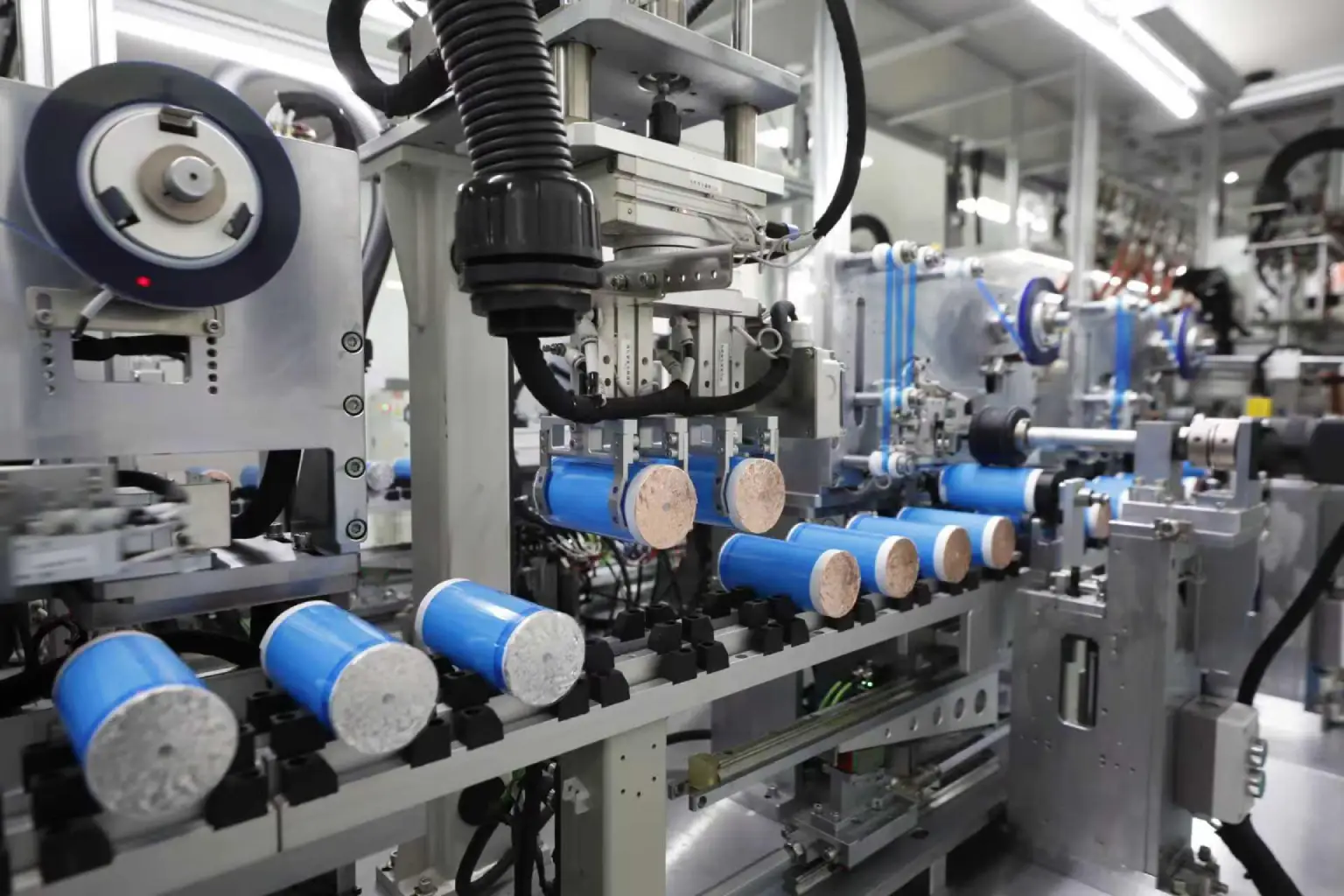
Cylindrical Battery Cell Manufacturing
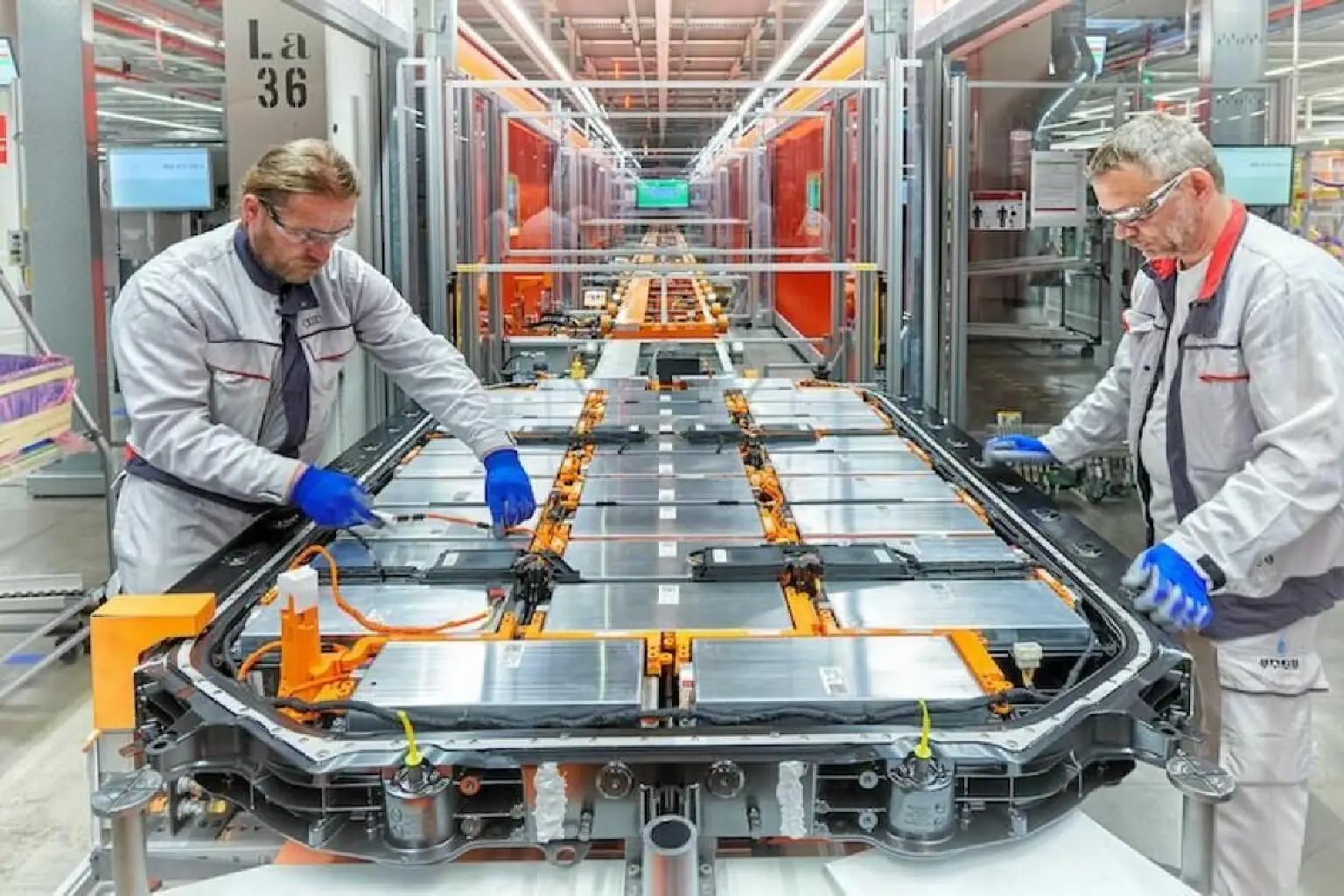
EV Battery Pack Manufacturing
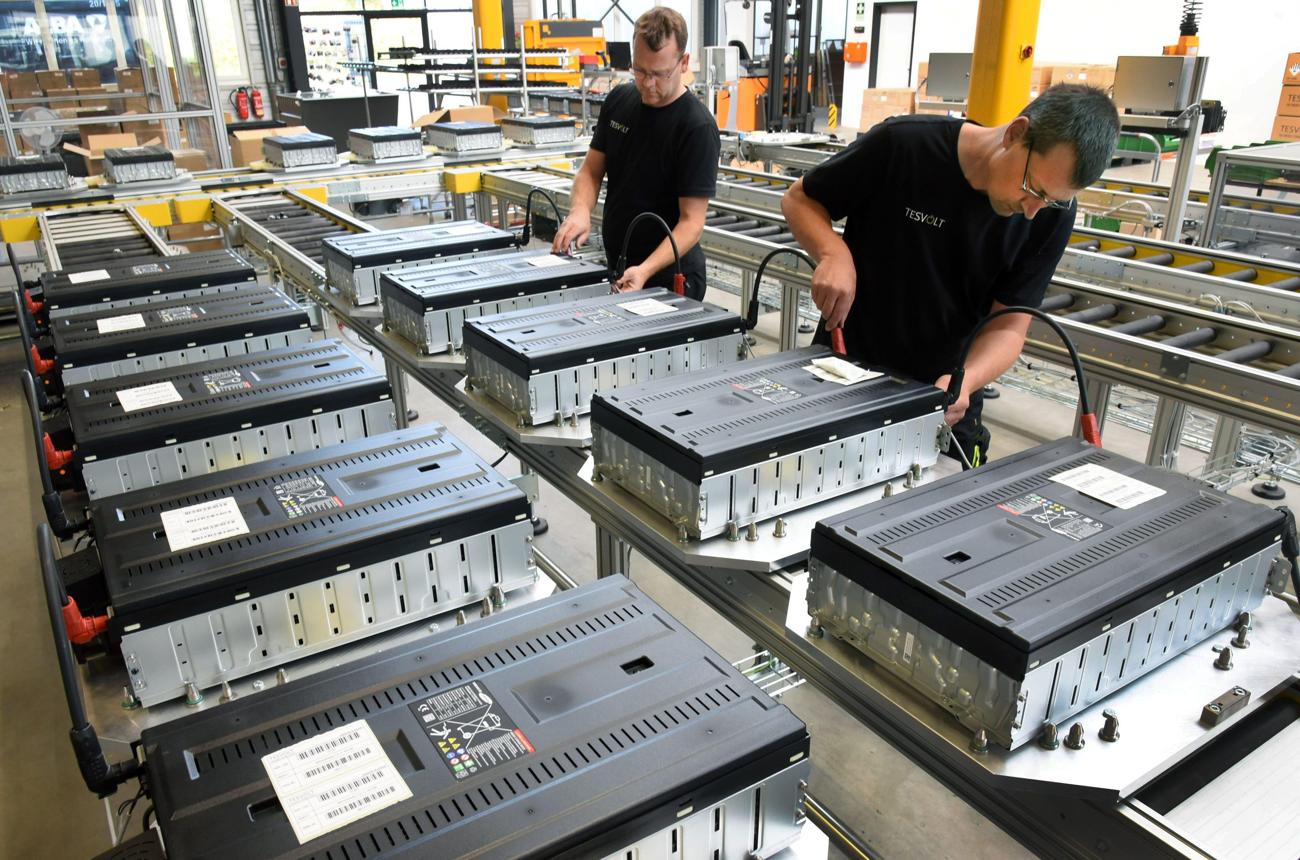
Energy Storage Battery Manufacturing
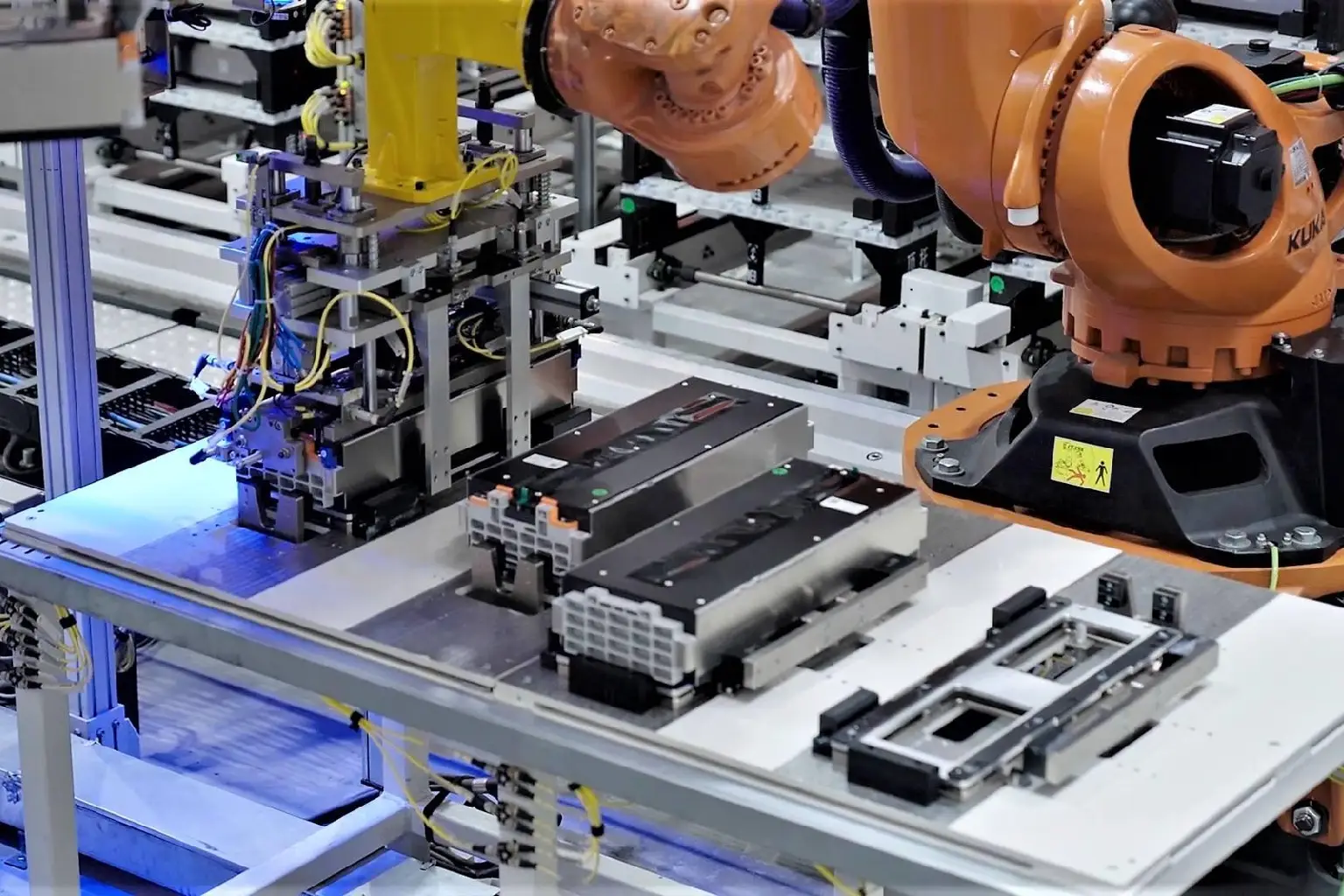
Battery Automation & Line Integration
CORE SYSTEM ADVANTAGES
Engineered for Consistent Cell Testing and Pallet Loading
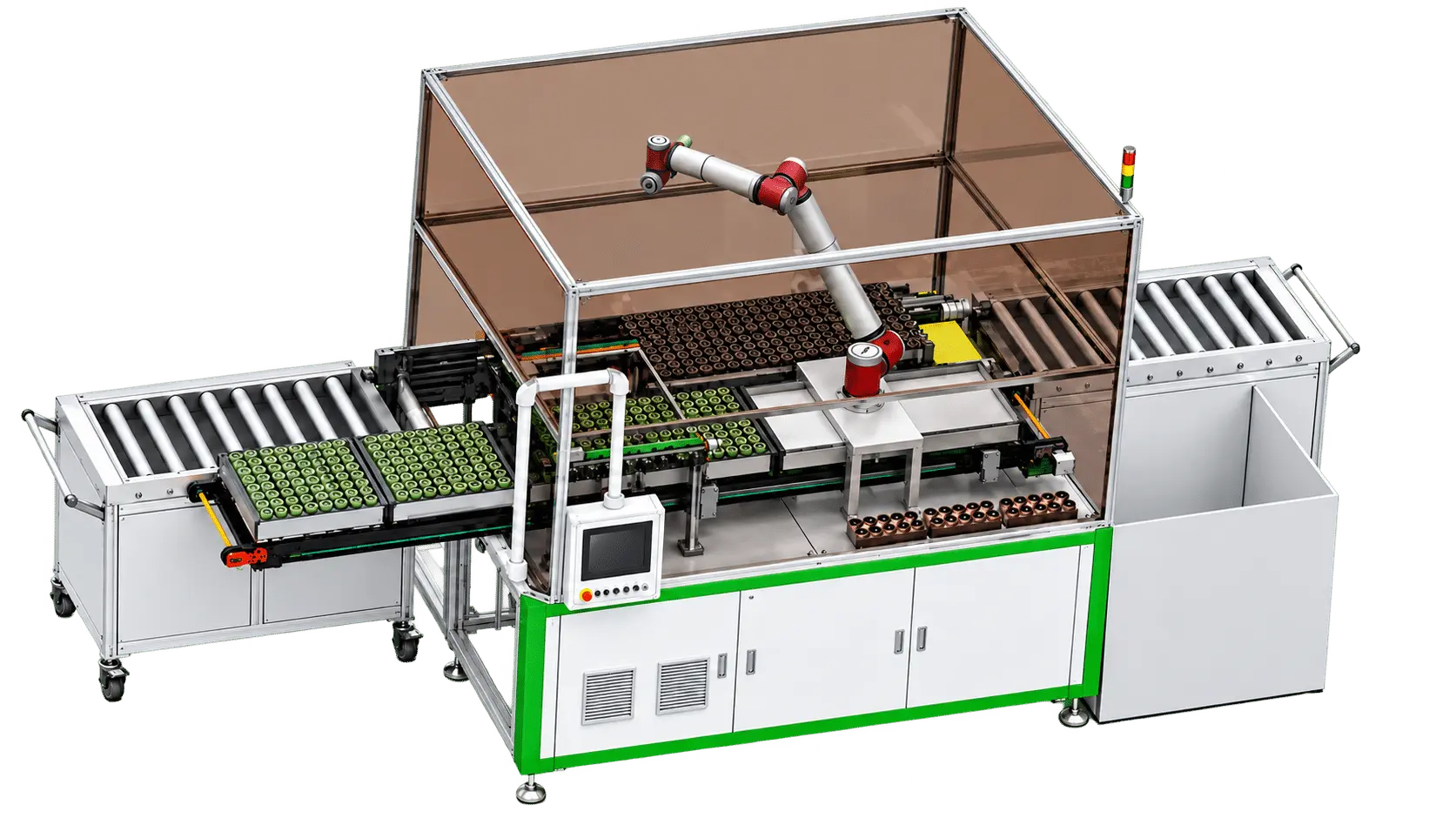
The MaxWave battery sorting machine combines automated probe positioning, pallet alignment, robotic cell handling, and data tracking to support consistent cell testing, sorting, and pallet loading.
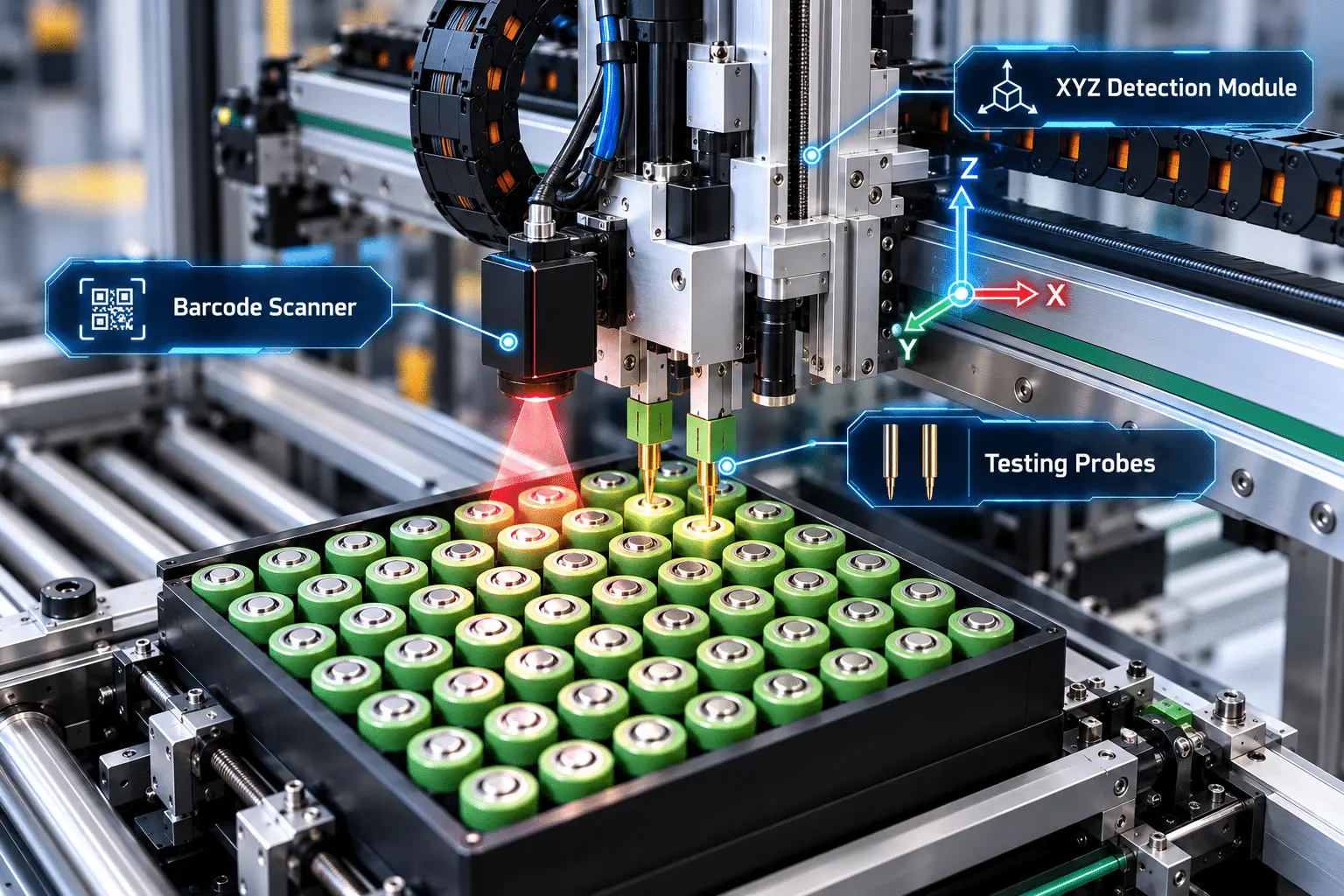
Test All 64 Cells Without Manual Probe Positioning
The proposed XYZ motion system in this battery sorting machine moves the code scanner and OCV/ACIR test probes across the 8×8 battery box. This reduces manual probe positioning and supports repeatable inspection of 64 cells.
TESTING 2D Code · OCV/ACIR
CELL LAYOUT 64 Cells · 8×8 Array
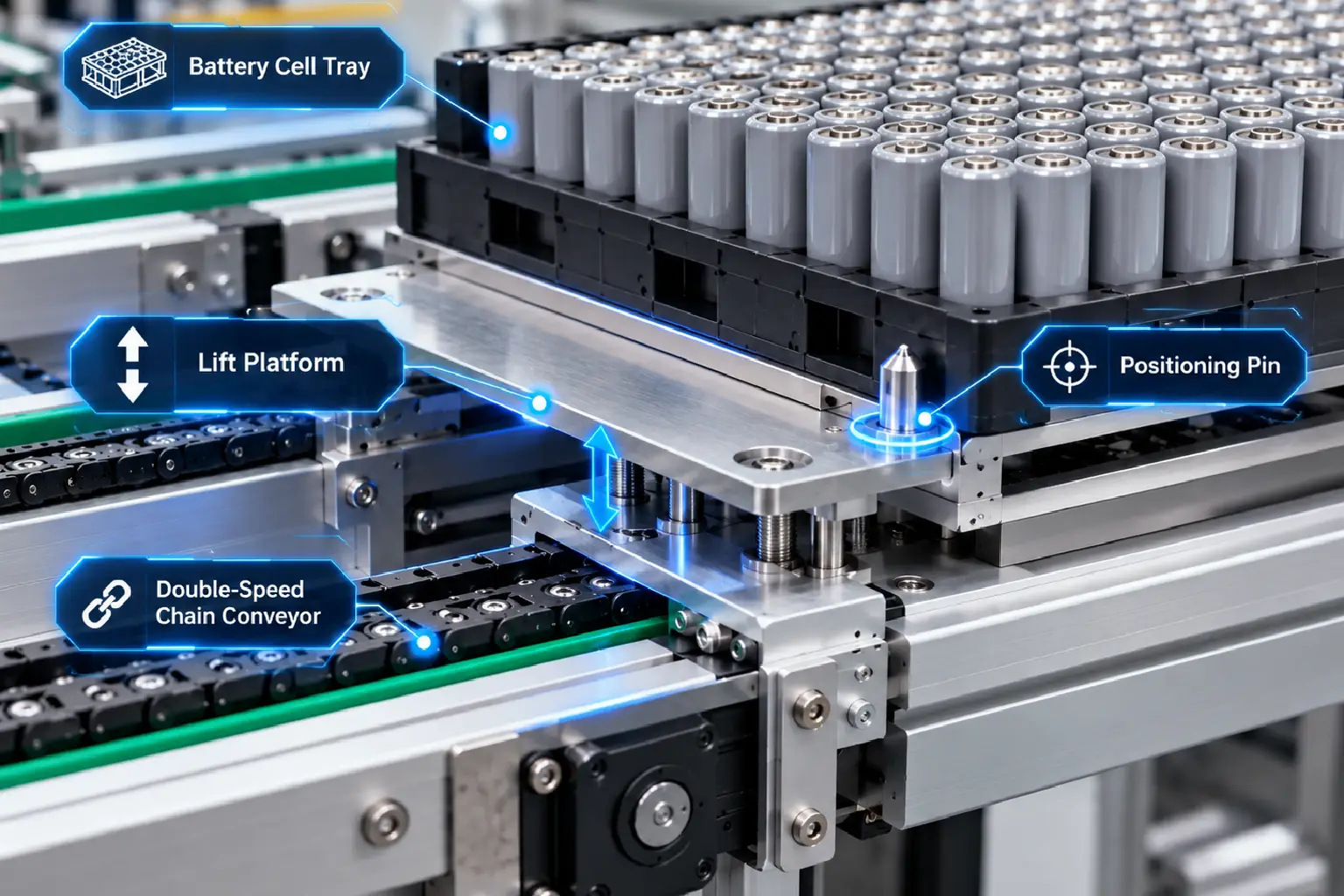
Keep Heavy Cell Arrays Stable During Loading
POSITIONING Pallet Lift · Locating Pins
REFERENCE LOAD Approx. 165 kg Full Array
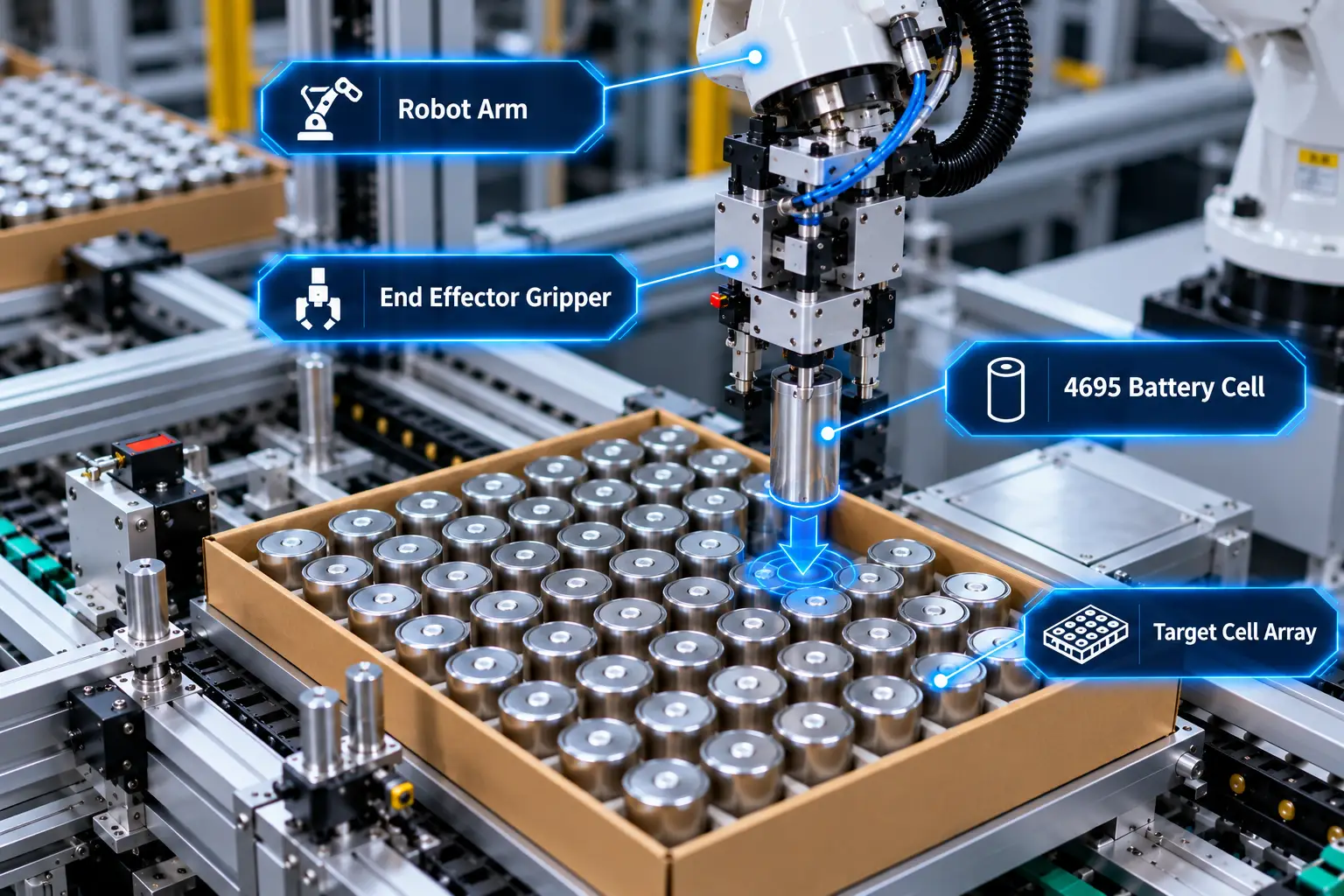
Place Qualified Cells into the Right Positions
CELL PLACEMENT Assigned Pallet Positions
ARRAY LAYOUT 288 Cell Positions
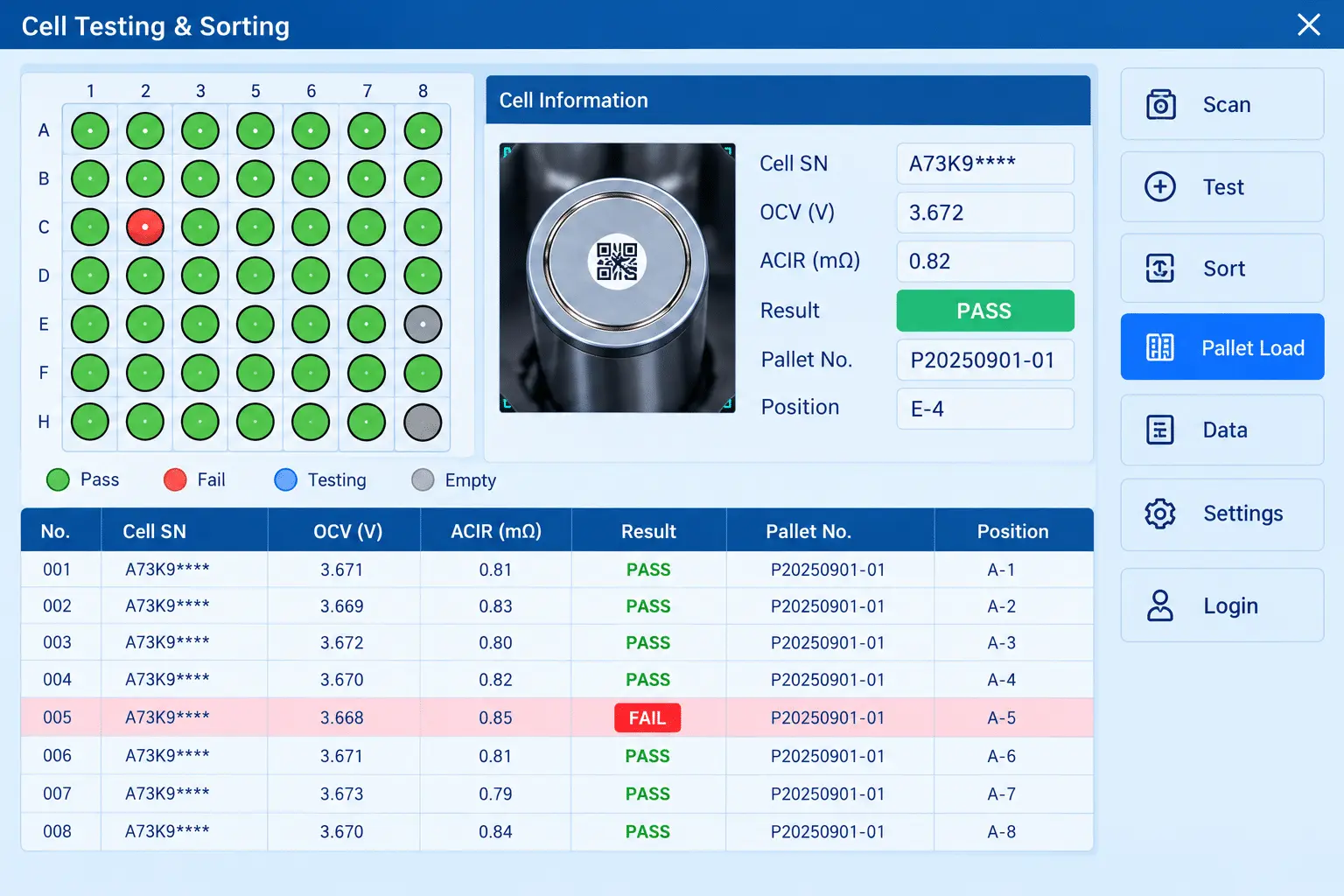
Track Every Cell from Testing to Pallet Position
TEST DATA OCV · ACIR · Pass/Fail
TRACEABILITY Cell Position 1–288
CELL QUALITY SCREENING
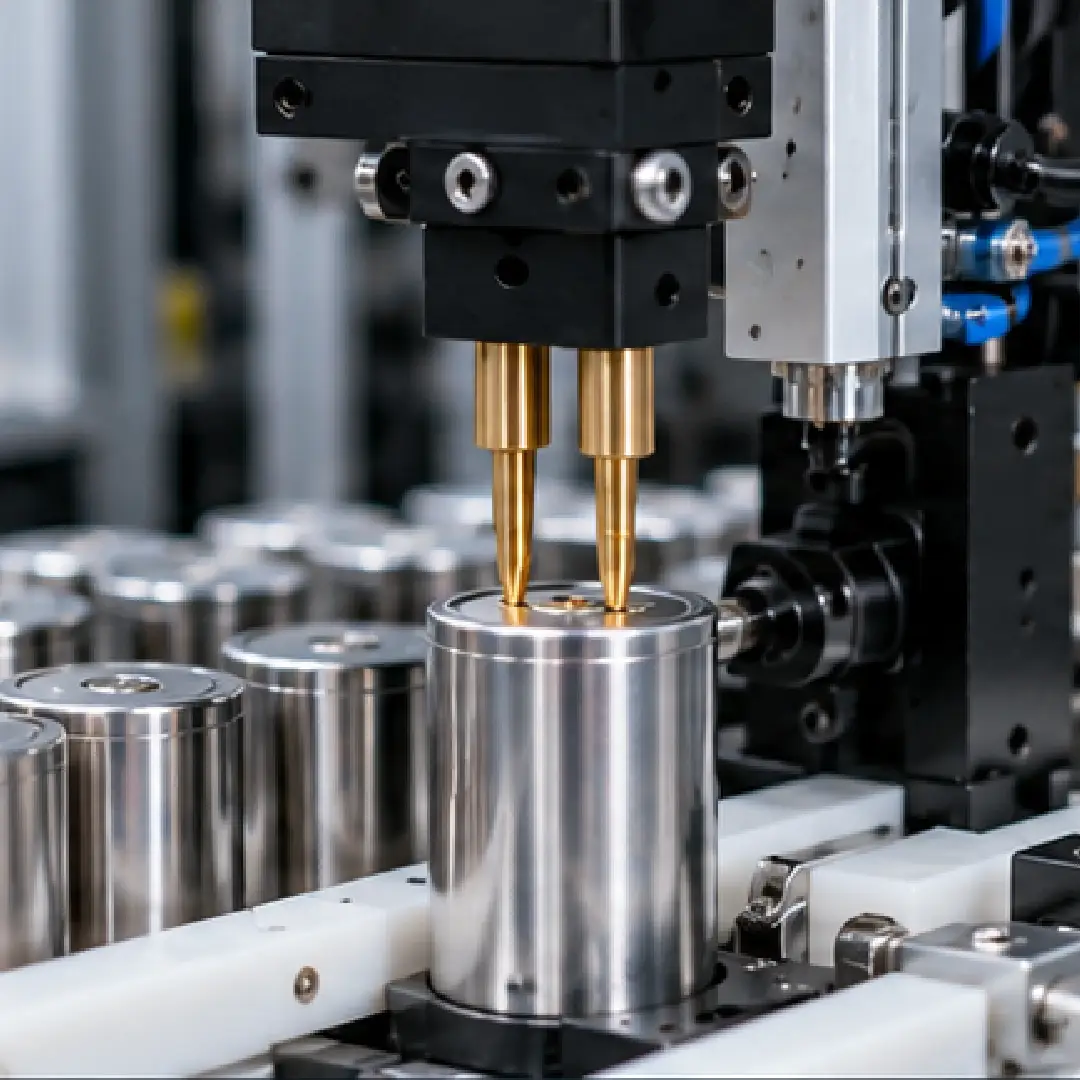
OCV & ACIR Testing for Reliable Cell Screening
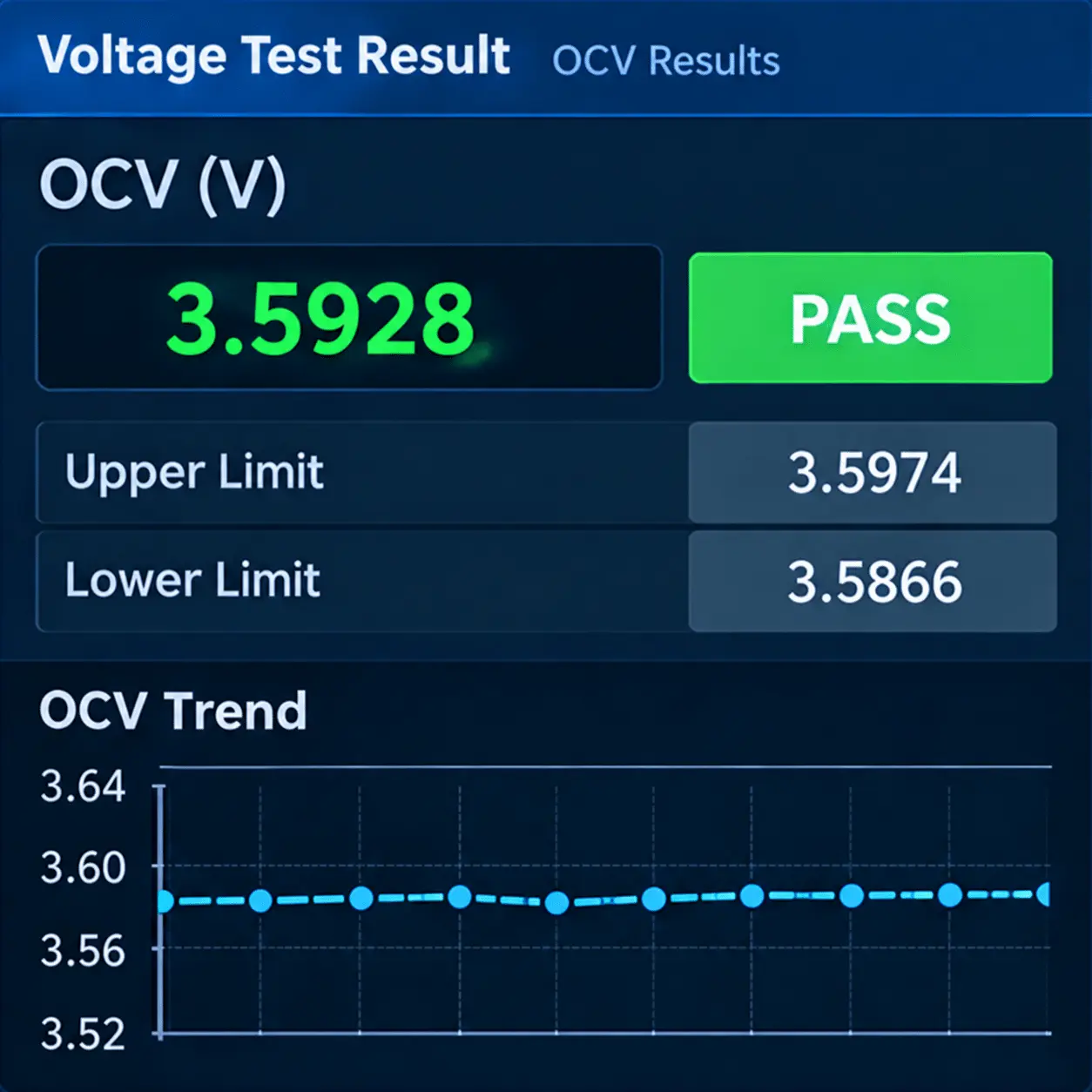
The MaxWave battery sorting machine measures each cell’s open-circuit voltage (OCV) and AC internal resistance (ACIR) against defined limits, helping identify out-of-spec cells before battery pack assembly.
OCV Testing
Measures each cell’s open-circuit voltage to check whether the reading falls within the specified range.
Voltage Screening
Identify cells with out-of-range voltage readings.
Configurable Test Limits
Compare measured voltage with preset upper and lower limits.
NG Identification
Flag cells that fail the OCV acceptance criteria.
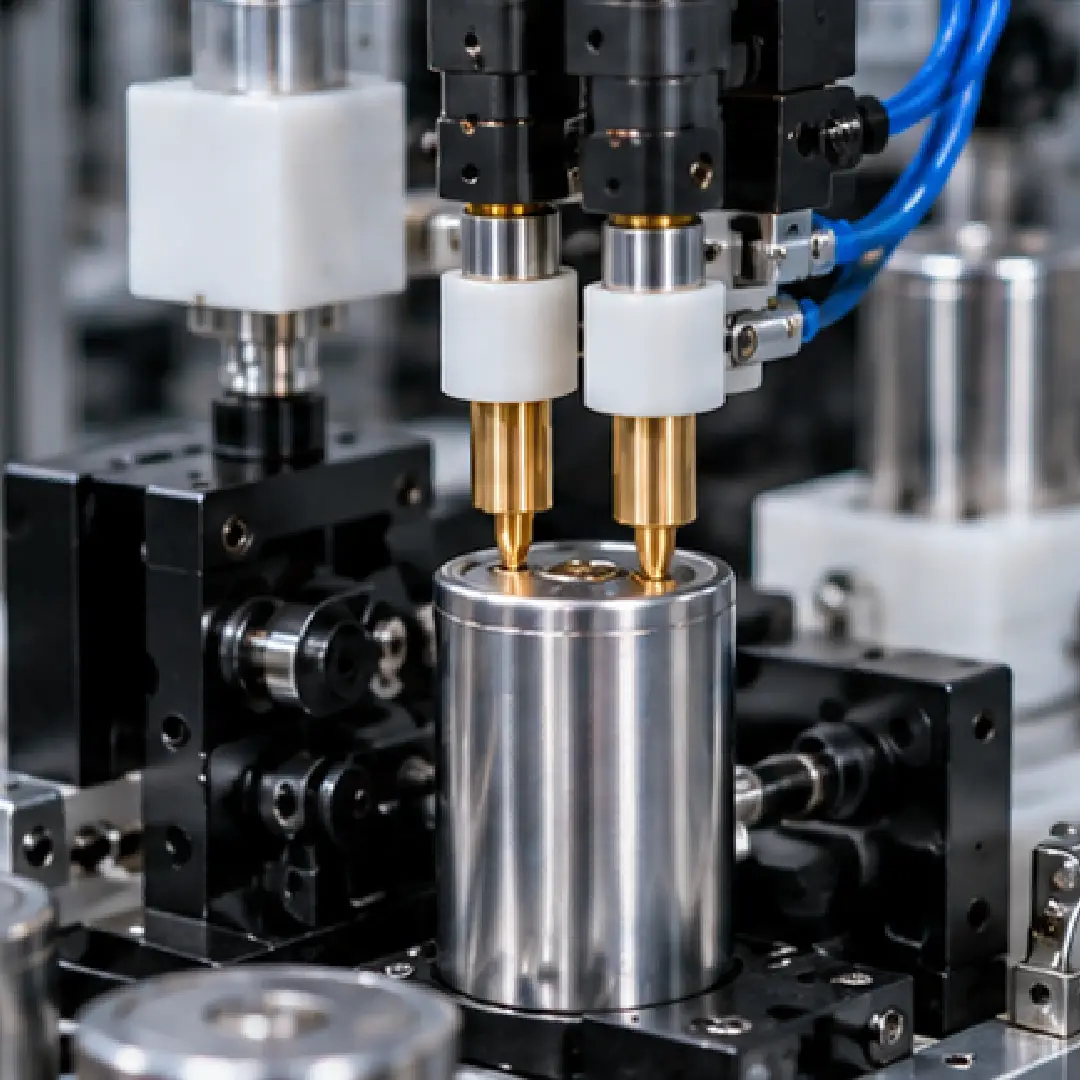
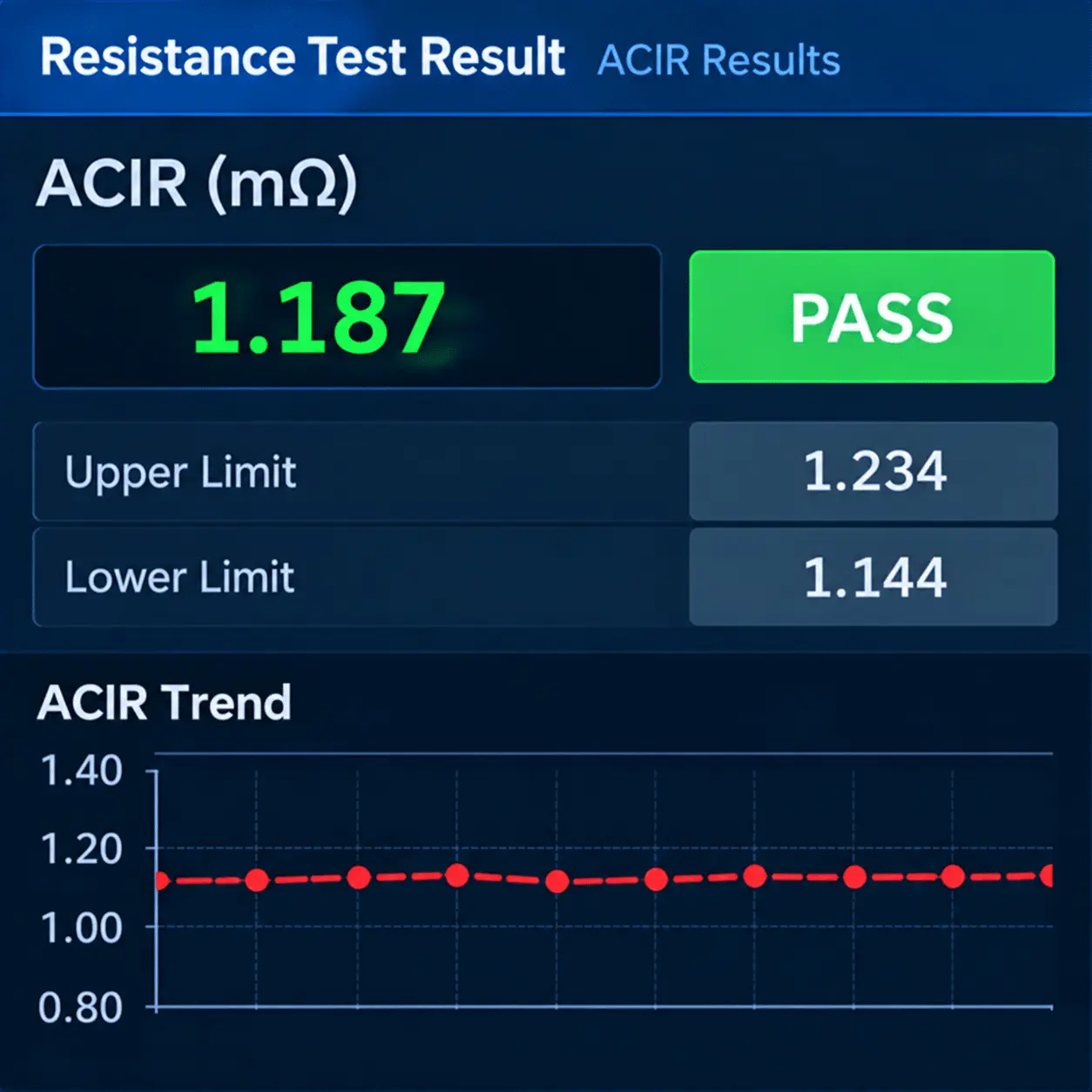
ACIR Testing
Measures each cell’s AC internal resistance to identify cells with out-of-range resistance readings.
Resistance Screening
Identify cells with out-of-range voltage readings.
Configurable Test Limits
Compare measured resistance with preset upper and lower limits.
NG Identification
Flag cells that fail the ACIR acceptance criteria.
1. ID Verification
Read each cell’s 2D code.
2. OCV & ACIR Check
Compare readings with defined limits.
3. Robotic Loading
Place qualified cells into assigned positions.
Choose the Right Cylindrical Battery Sorting Machine for Your Production
Compare automatic cell testing and sorting with integrated robotic palletizing to find the right automation level for your 4695 battery production line. Final configurations depend on your production requirements and manufacturer confirmation.
Automatic Testing & Sorting
4695 Cell Testing & Sorting
OCV/ACIR Testing & NG Rejection
↓
Existing Cell Loading System
Best for: Factories with existing cell loading equipment.
OPTION B · INTEGRATED
Sorting & Robotic Palletizing
4695 Cell Testing & Automated Loading
OCV/ACIR Testing & NG Rejection
↓
Robotic 288-Cell Pallet Loading
Best for: Lines needing automated pallet loading.
CONFIGURATION
QUALIFIED CELL LOADING
OPERATOR TASKS
EQUIPMENT SCOPE
BEST FOR
Automatic Testing & Sorting
Manual / Existing Loading System
Cell Transfer & Loading
Testing & Sorting Only*
Existing Loading Lines
Integrated Sorting & Palletizing
Robotic 288-Cell Pallet Loading
Refill Cell Boxes · Remove Full Pallets
Testing · Sorting · Robot
Automated Battery PACK Lines
4695 CELL SORTING REVIEW
Review Your 4695 Battery Sorting Setup Before Ordering
Before selecting a battery sorting machine, share your 4695 cell specifications and production requirements. We’ll review OCV/ACIR testing, NG rejection, and robotic pallet loading to help determine a suitable configuration.
01
Share Your Cell Details
4695 Cell Size · 2D Code · Battery Box Layout
02
Define Your Testing Requirements
OCV/ACIR Limits · NG Classification
03
Review the Sorting Process
Code Scanning · Cell Testing · NG Rejection · Robotic Loading
04
Confirm Your Line Setup
Pallet Layout · Throughput · Operator Requirements
WHAT YOU’LL RECEIVE
Your Sorting Setup
Testing & Sorting Requirements
Review 2D code scanning, OCV/ACIR limits, and NG rejection rules.
Cell Loading & Pallet Layout
Review incoming battery boxes and the proposed 288-cell pallet arrangement.
Production Line Configuration
Check workstation space, operator tasks, and required production capacity.
Learn more about MaxWave’s engineering and factory capabilities to understand our approach to equipment configuration, quality checks, and manufacturing support.
PACKAGE & CONFIGURATION
What’s Included in Your Battery Sorting System?
Review the main equipment and maintenance requirements of this battery sorting machine, including cell feeding, OCV/ACIR testing, NG rejection, robotic palletizing, and conveyor handling.
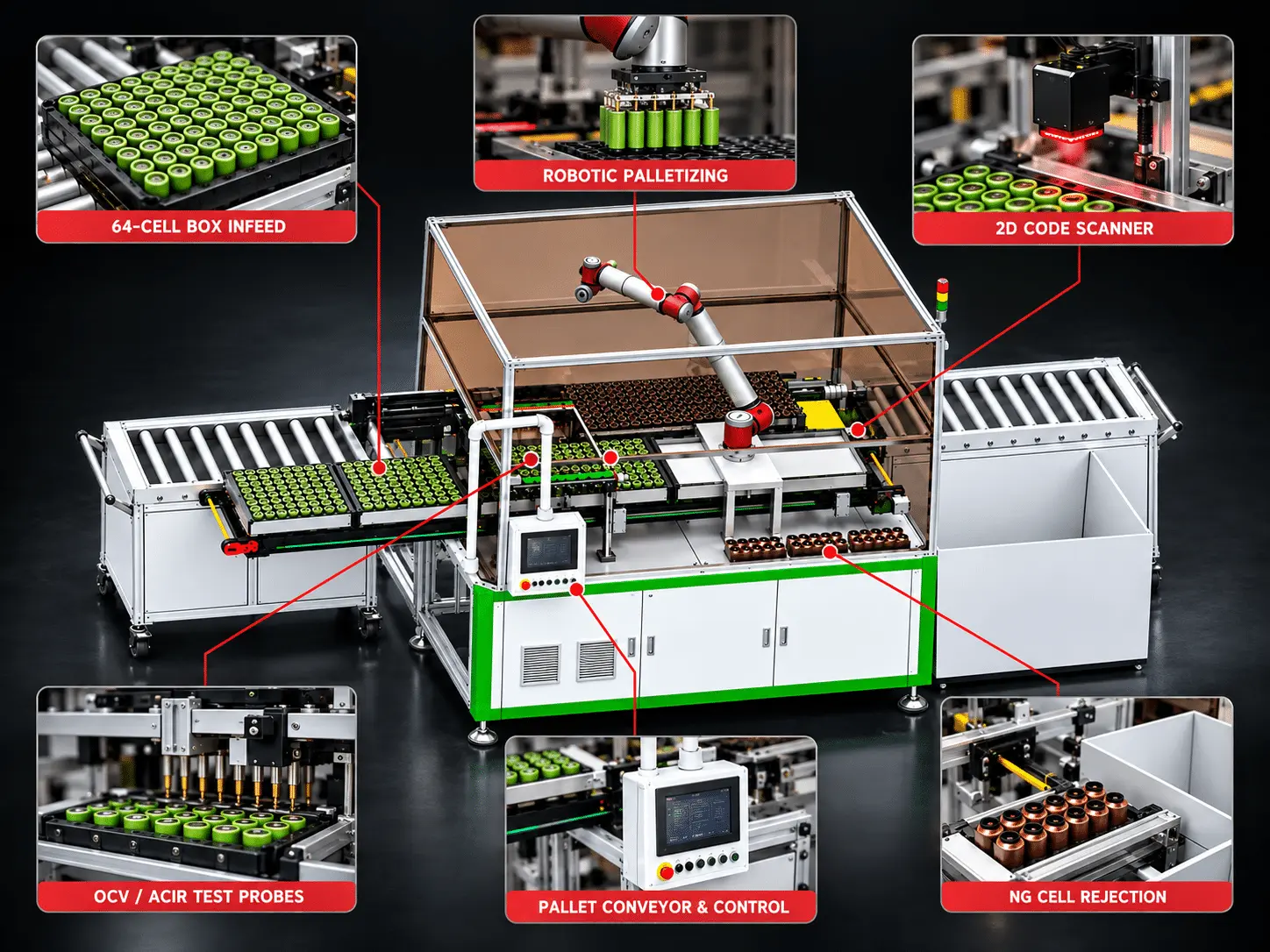
01 Core Equipment
64-Cell Battery Box Infeed
Manual loading of 8×8 battery boxes, with conveyor transfer to the testing station.
2D Code & OCV/ACIR Testing Station
XYZ motion positions the scanner and test probes for individual cell inspection.
Automatic NG Rejection
Separates cells that fall outside the configured voltage and resistance limits.
Robotic Pallet Loading
Robot-assisted placement of qualified cells into the specified output pallet arrangement.
Pallet Conveyor & Positioning System
Dual-speed chain conveyor with lifting and positioning mechanisms for pallet handling.
Industrial Computer & PLC Control
Controls testing operations, conveyor movement, robot coordination and equipment status.
02 Routine Maintenance & Wear Parts
03 Configuration to Confirm
MAINTENANCE & OPERATOR CHECKS
Keep Your Battery Sorting Machine Ready for Production
Routine checks focus on OCV/ACIR probes, code scanning, robot gripping, and pallet handling. Proper maintenance helps prevent incorrect readings, cell jams, and unexpected interruptions.
ITEM
DAILY CHECK
PERIODIC INSPECTION
SERVICE WHEN
OCV/ACIR Test Probes
Keep probe contacts clean
Inspect tip wear and contact stability
Readings become unstable
2D Code Scanner
Keep scanner window clean
Check alignment and code recognition
Frequent scanning failures
64-Cell Input Box
Check 8×8 cell positions and remove debris
Inspect box guides and locating surfaces
Cell misalignment or feeding jams
NG Rejection Station
Empty NG collection tray
Check rejection mechanism and sensors
Incorrect rejection or jams
Robot Gripper
Keep gripping surfaces clean
Inspect gripper wear and positioning
Cells slip or placement errors occur
Pallet Conveyor & Lift
Keep conveyor path clear
Check chains, stops and lifting alignment
Pallet jams or positioning errors
Compressed Air System
Check air pressure and leaks
Inspect filters and air connections
Low pressure or pneumatic faults
Maintenance intervals and replacement parts should follow the final equipment manual and operating conditions.
Sorting in Action
See the 4695 Cylindrical Battery Sorting Machine in Action
Watch how 4695 battery cells move through 2D code scanning, OCV/ACIR testing, automatic NG rejection, and robotic palletizing.
SITE READINESS
Prepare Your Factory for Battery Sorting
Before installing the battery sorting machine, confirm your power supply, compressed air, floor space, operator access, and cell handling requirements.
BEFORE SHIPMENT
01 Power Supply
Provide a stable, properly grounded power supply. Confirm voltage and circuit requirements before installation.
02 Compressed Air Supply
Prepare a clean, stable compressed air supply above 0.7 MPa for the equipment’s pneumatic components.
03 Equipment Space & Access
Reserve space for the main machine, conveyors, operator access, and routine maintenance.
04 Battery Box Loading
Prepare a safe loading area for 64-cell (8×8) battery boxes. Each filled box weighs approximately 25 kg.
05 Robotic Palletizing Safety
Allow adequate space for robot movement and output pallet handling. Confirm safety guarding and access arrangements.
BATTERY SORTING SUPPORT
Support for Your Cylindrical Battery Sorting Machine
From installation and operator training to OCV/ACIR testing, robotic palletizing, and maintenance, MaxWave provides technical guidance to support your daily production.
01
SETUP GUIDANCE
Get Your Sorting Line Ready
Installation & Setup Guidance
Get guidance on equipment positioning, power connections, compressed air supply, and conveyor setup.
Software & Operator Training
Learn how to operate the control system, load 64-cell boxes, monitor test results, and handle rejected cells.
02
ENGINEER SUPPORT
Keep Testing & Sorting Consistent
OCV/ACIR Parameter Setup
Get assistance setting voltage and internal resistance limits for battery testing and NG rejection.
2D Scanner & Test Probe Adjustmentv
Receive guidance on code scanner positioning, probe alignment, and electrical contact issues.
NG Sorting & Robotic Palletizing
Get help checking rejection settings, robot positioning, and qualified-cell pallet loading.
Remote Troubleshooting
Share equipment alarms, photos, or videos to help identify testing, conveyor, and robot-related faults.
03
ONGOING SUPPORT
Keep Your Equipment Running
Test Probe & Scanner Maintenance
Get guidance on cleaning OCV/ACIR probes, checking contact wear, and maintaining scanner performance.
Motion & Conveyor Maintenance
Receive advice on XYZ motion components, conveyors, pallet positioning, and robot gripper checks.
Spare Parts Assistance
Get help identifying compatible test probes, sensors, gripper components, and other replacement parts.
Warranty & Service Support
Receive technical and warranty assistance according to the confirmed equipment service terms.
Technical Specifications
This 4695 battery sorting machine is designed for cylindrical lithium-ion cells. Final specifications, production capacity, and pallet configurations should be confirmed before ordering.
Applicable Cell
4695 Cylindrical Lithium-ion Cell
Cell Identification
2D Code Scanning
Testing Functions
OCV & ACIR Testing
Sorting Method
Automatic NG Rejection
Palletizing Method
Robotic Pick & Place
Production Efficiency
≥10 Cells/min (Reference)
Input Box Capacity
64 Cells · 8×8 Array
Input Box Dimensions
510 × 510 × 100 mm
Output Array Capacity
288 Cells (Project Configuration)
Workstation Dimensions
Approx. 2400 × 1900 × 2300 mm
Operator Requirement
1 Operator
Power Supply
AC 220V ±10%, 60Hz
Compressed Air
Class IV
Cooling method
>0.7 MPa · 2.0 m³/min
MaxWave Cylindrical Battery Sorting Machine FAQs
Explore common questions about cell compatibility, operator requirements, and production line integration before choosing your battery sorting setup.
Can the machine handle cylindrical cells other than 4695?
Does the battery sorting machine require an operator?
Yes. The reference setup is designed for one operator to load 64-cell boxes, monitor the process, handle rejected cells, and remove completed pallets. Cell testing and robotic placement are automated.
Can the machine integrate with an existing battery PACK line?
Integration of the battery sorting machine with an existing battery pack line can be evaluated based on your production layout, pallet handling method, and control requirements. Conveyor connections, PLC communication, and data interfaces should be confirmed before finalizing the configuration.
How Can Automated Cell Sorting Improve Your PACK Production?
The MaxWave Cylindrical Battery Sorting Machine combines 2D code identification, OCV/ACIR testing, automatic NG rejection, and robotic palletizing into one coordinated workflow. Designed for 4695 cylindrical cells, it helps reduce repetitive manual handling, streamline quality screening, and support cell-level traceability before PACK assembly. From 64-cell input boxes to a 288-cell output array, the reference system can be configured around your production requirements.
Plan Your Battery Sorting Line with MaxWave
Find the Right Laser Machine for Your Needs
Tell us what you want to make — we’ll recommend the best machine for you.
- Not sure which machine to choose? We’ll help you
- Easy to use — even for beginners
- Fast reply within 12–24 hours